
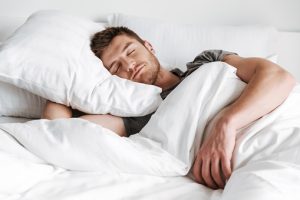
We all know how good we can feel after a full night of undisturbed sleep. Equally most people can remember a time when they haven’t slept well and feel low in mood and sluggish after a poor night of sleep. Some people claim that they only need 5 hours sleep and can function perfectly well. Sleep science shows that they almost certainly aren’t functioning as well as they may think when sleep deprived. After total sleep deprivation for 24 hours people’s driving performance (on a simulator) and reaction times have been shown to be worse than people who are over the drink driving limit.
Ronald Regan and Margaret Thatcher were known for saying they only ever needed 4-5 hours sleep per night. Long term we know that this lack of sleep dramatically increases the risk of Alzeimer’s and dementia, something both these former leaders would suffer from in later life. Lack of sleep also makes us more prone to depression and anxiety but it’s not just our mental health that suffers when we are chronically sleep deprived. A lack of sleep makes us more prone to high blood pressure, heart attacks and strokes, type 2 diabetes and even certain types of cancer. Lack of sleep also makes us have a higher sensitivity to pain and more likely to develop chronic pain.
We will all have some nights of poor or less good sleep, as any parent knows. There are some things we can do to help encourage better sleep. If you or a family member notice you are regularly not breathing for several seconds in your sleep or you wake gasping for breath, snorting or choking or you snore very loudly you may have sleep apnoea. This can have several long term health affects. The good news is it can be treated with a CPAP (continuous positive air pressure) machine that pumps are into a mask for you to breath. Ask your G.P for further information on this.
Recommendations
1) Sleeping in a quiet, dark room at 15-20 degrees Celcius
(If necessary use a night mask and ear plugs to reduce light and noise pollution)
2) Avoid caffeine intake within 8 hours of wanting to sleep
3) Avoid alcohol (this does actually disturb our sleep despite what we might think)
4) Try not to look at bright light like phones, tablets or televisions in the last 30-60 minutes before bed time and expose yourself to outside light soon after you first wake up.
5) Exercise during the day- this is more likely to make you feel sleeping in the evening.
6) Listen to a meditation or hypnosis programme in the evening to calm down your mind and clear your head before going to bed.
7) If you can’t get off to sleep or back to sleep after 20-30 minutes try getting up for a few minutes and then go back to bed. This can often help people fall back into a sleep cycle.
8) Daytime naps in the early afternoon can actually help as they seem to reinforce the behaviour and brain activity needed to fall asleep. They also give us a quick replenishing boost of extra rest.
9) Try to go outside in the daylight within 30 minutes of waking up, this is sensed by your eyes and helps to reset your body clock (via your pineal gland).