
What do we treat?
Ankle sprains
Rolling over on your ankle when walking or running can stretch the ligaments that stabilise the ankle. This can often cause pain and swelling, managing this in the early stages is important. Thereafter ensuring balance, strength and coordination of movement is all important in allowing full function of the ankle to return.
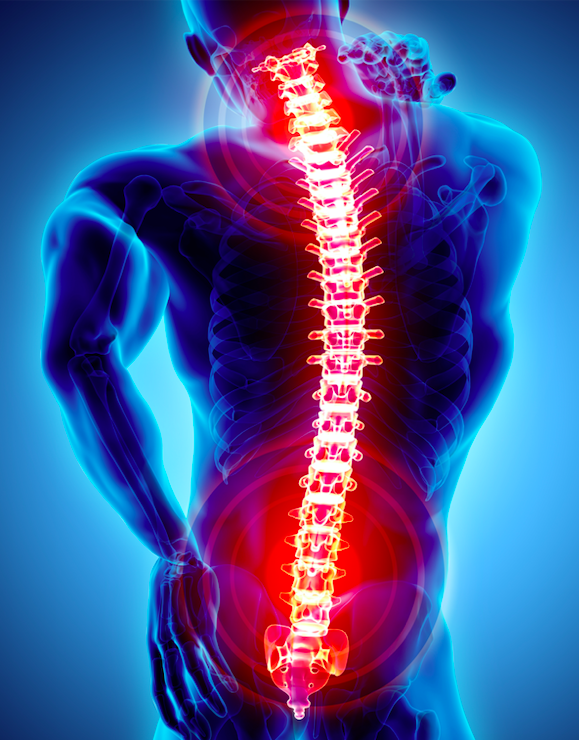
Backache and back pain
There are many causes of back pain but many episodes result from bad or repetitive postures and movements that can cause muscle imbalances and excessive pressure on joints of the spine.
Elbow pain
Pain in the elbow can often arise from repetitive movements or gripping and grasping actions. Tennis elbow (lateral epicondylitis) causes pain around the outside of the elbow (as opposed to golfer’s elbow which occurs on the inside of the elbow).
Headache arising from the neck (cervicogenic).
Headaches can occur for many reasons, most aren’t serious but frequent or severe headaches should be assessed by a healthcare professional. A common cause of headaches is tightness developing in the neck and shoulder muscles and excessive pressure on the joints of the neck.
Joint pains including hip and knee pain from osteoarthritis
This is commonly termed “wear and tear” when the cartilage that forms a joint develops worn spots or small bone spurs this can cause stiffness and pain.
Lower back pain
Pain from the lower back is extremely common and for many people their daily routine can often lead to muscle imbalances that can make their lower back more susceptible to minor injuries or can simply seize up without a obvious recent cause.
Mechanical neck pain
The use of mobile phones and computers and time spent in cars and on planes and trains can place a lot of stress on the muscles of the neck. This can make minor injuries or waking up with a stiff and painful neck more likely.
Migraine prevention
The word migraine actually means half head, a typical migraine occurs on one side of the head and is usually associated with one or more of the following symptoms: visual changes, nausea, sensitivity to light or noise. Typically these symptoms will develop shortly before the onset of the headache and are described as an “aura”.
Muscle spasms
True muscle spasm is actually not that common but painful knots or “trigger points” can cause pain and stiffness in muscle and can refer pain to other sites of the body (e.g. down the arm or leg or into the head).
Plantar fasciitis
This is sometimes called policeman’s heel and refers to pain under the heel especially when walking. Hard soled shoes or walking in bare feet can increase the pain and it’s often felt most walking around after getting out of bed in the morning.
Rotator cuff injuries, disease or disorders (a specific form of shoulder pain)
The rotator cuff is a collection of muscles that are critical to shoulder function. Injury to the muscles or tendons of the rotator cuff will often cause pain and restriction of shoulder movement and pain when lying on the affected shoulder.
Sciatica
“Sciatica” is a generic term for pain down the back of the leg along the sciatic nerve. The most common cause of this is a bulging disc in the lower back. A common cause of sciatica in older people is narrowing of the spine with arthritis (stenosis).
Shoulder complaints (dysfunction, disorders and pain)
The shoulder is a very complex structure, it has remarkable flexibility but this flexibility means that the shoulder is not as stable as other joints such as the hip. The shoulder relies upon the balance of many different muscles. If this balance is lost or upset it can often result in shoulder pain.
Soft tissue disorders of the shoulder
The muscles of the shoulder can often become tight and painful from prolonged postures or from muscle strains.
Sports injuries (minor)
Seeing a chiropractor immediately after a head injury or a suspected broken bone is clearly inappropriate and going to A&E or at least your G.P is necessary in these situations. However in many other circumstances chiropractors can help treat and rehabilitate injuries sustained when playing a wide variety of sports and physical activities.
The best decision I ever made!
In late September of 2018 I slipped and severely damaged my left shoulder resulting in, amongst other things, a tear of 1.6 cm in the supraspinatus tendon. The surgeon I saw was very keen to operate. This would have meant at least six weeks in a sling and many months of rehabilitation. After discussing the problem with Stuart, backed up by third party reports, we resolved to rehabilitate the shoulder by exercise.
It was the best thing decision I ever made! I was back playing golf by mid January and have never looked back since. I still see Stuart and can not recommend him highly enough.